Asian Elephant
Conservation Status: Endangered
Class: Mammalia
Order: Proboscidea
Family: Elephantidae
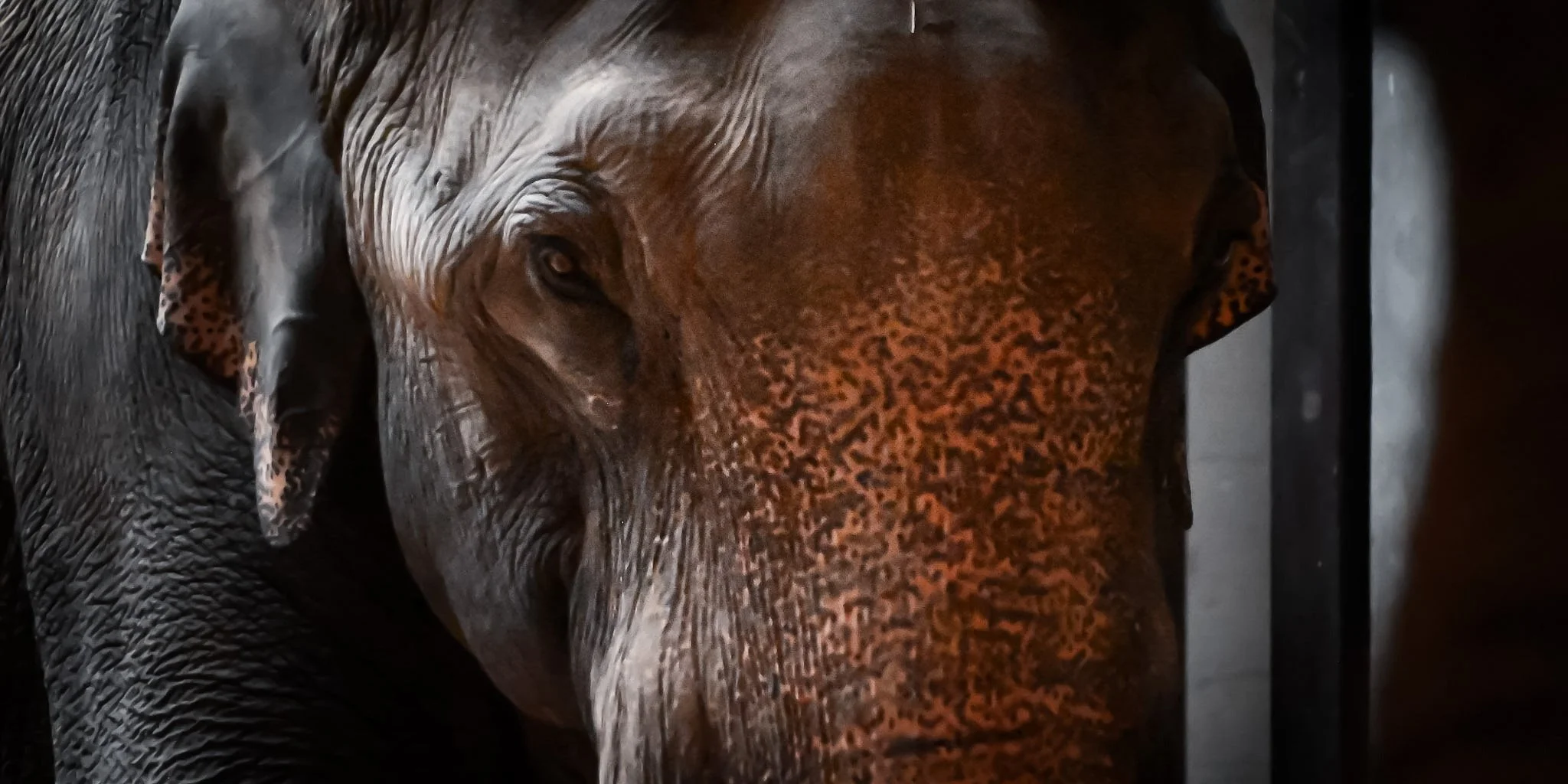
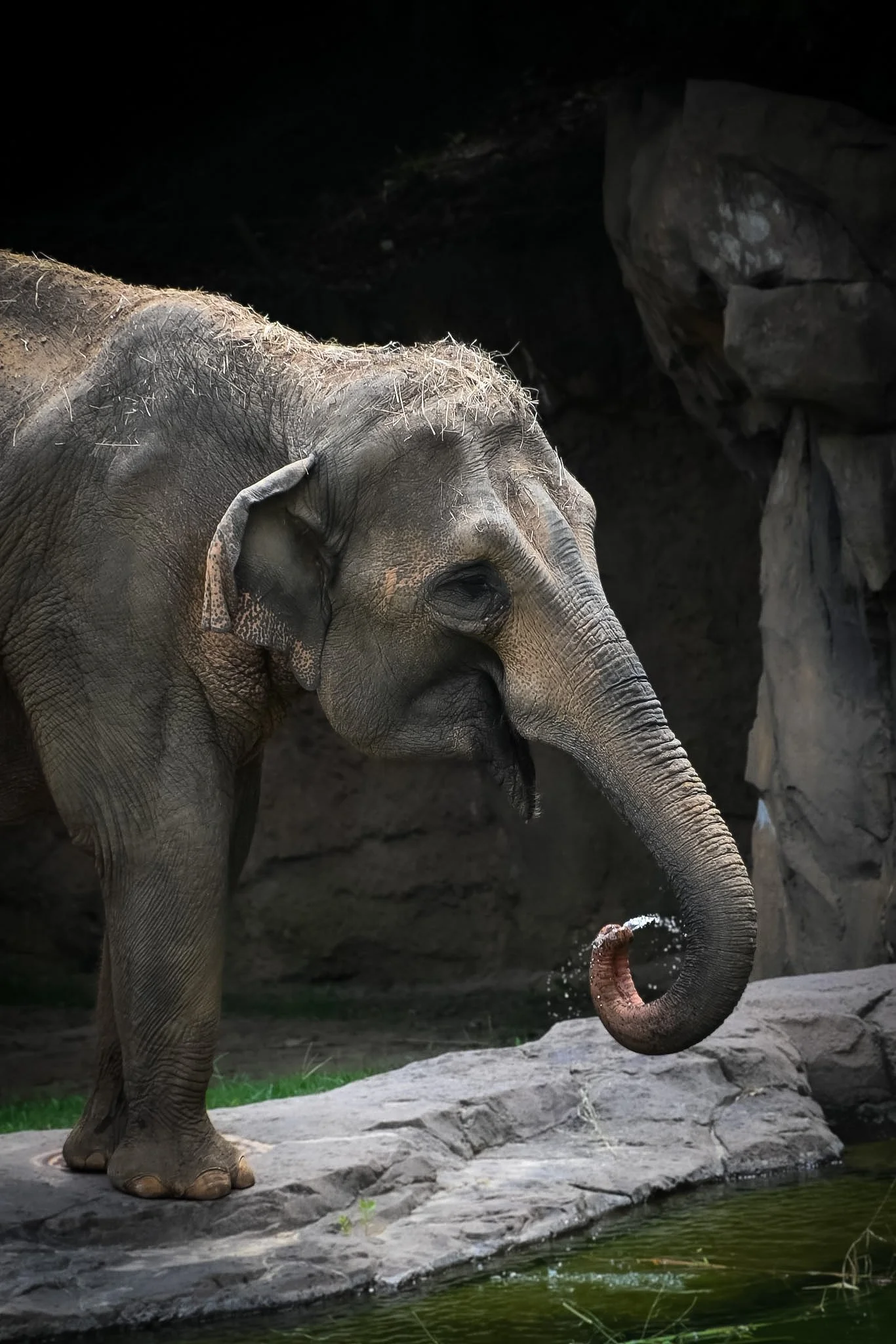
Elephants are the largest living land animal. Particularly, the herbivorous Asian Elephant, considered a forest animal, can be found in India and Southeast Asia. However, they have a tendency to prefer open grassy glades due to its variety of grasses and forests.
Elephants have the ability to communicate with one another over long distances, usually more than 2 miles away. The sounds they emit are low-pitched and can barely be heard by humans. In addition, elephants utilize their strong olfactory system in order to understand the world around them. They can determine another elephant’s sex and reproductive status just by smelling their mouth, temporal glands, genitals, urine or feces.
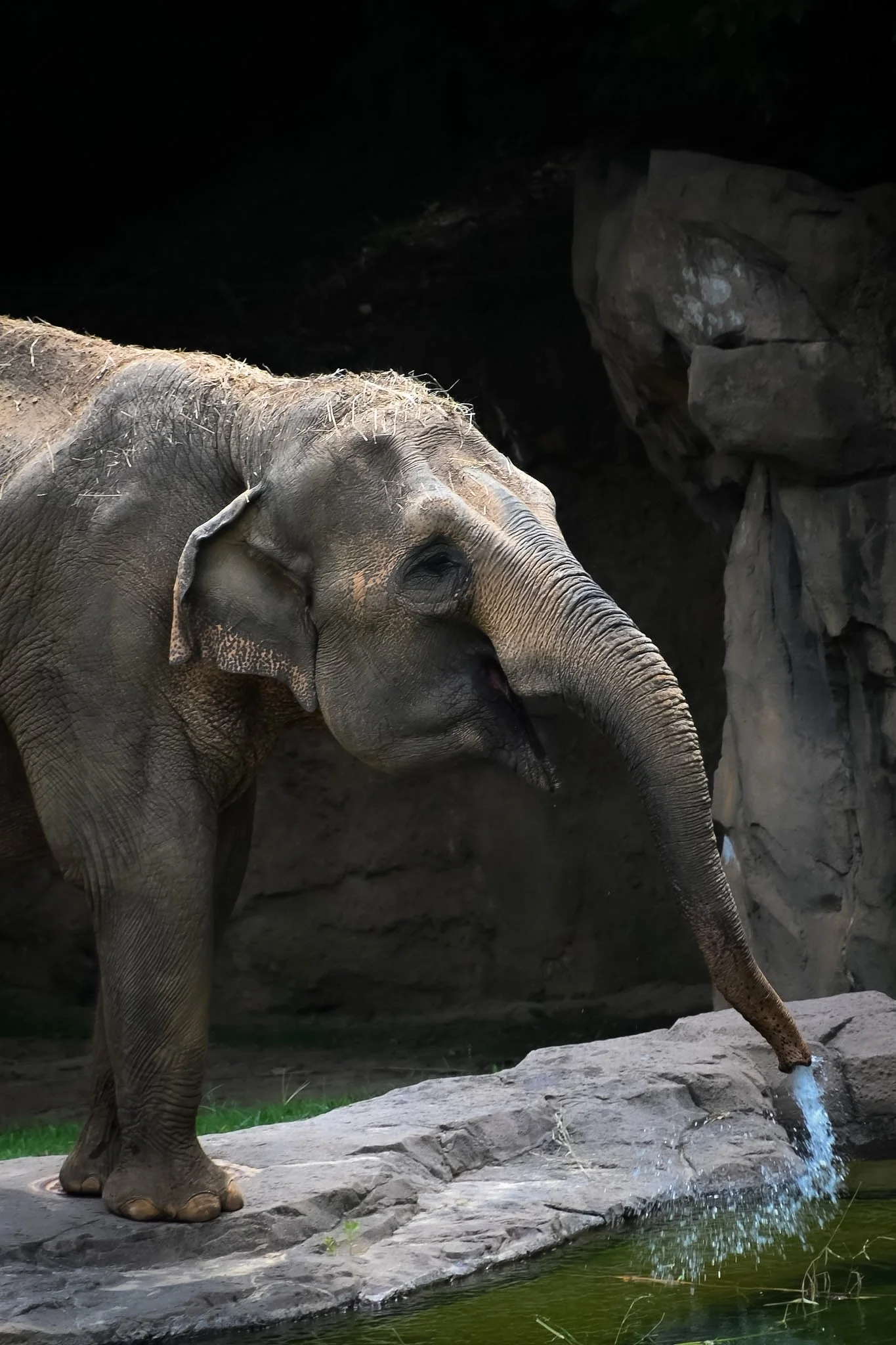
Elephants must consume around 165 to 330 pounds of food and 50 gallons of water per day due to only absorbing around 44 percent of their food’s nutrients.
Asian elephants live in small herds comprised of related females, their offspring, and juvenile males. And unlike African elephants, they do not have a matriarch. The male elephants, often thought of as insufferable in nature by their female counterparts because of their aggressiveness, will form bachelor herds. With age, male elephants become increasingly competitive and will spend more time alone.
On Conservation:
In many agricultural areas, elephants can be considered a pest. In these areas, crop raiding is frequent and can cause conflict between elephants and farmers, and in turn leads to the death of both elephants and humans. However, elephants are rapidly losing their habitat due to an increase in deforestation throughout countries such as Malaysia and Indonesia. Unfortunately, in areas around palm oil plantations and other forestry practices, political pressure is heavy on wildlife authorities to eliminate elephants.
What is being done? There are efforts in producing research and development on ways to preserve the Asian Elephant’s habitat, and on ways elephants and humans can co-exist. Lastly, the conservation and protection of elephants largely depends on the efforts of continuing to advocate for ivory bans around the world.
Facts:
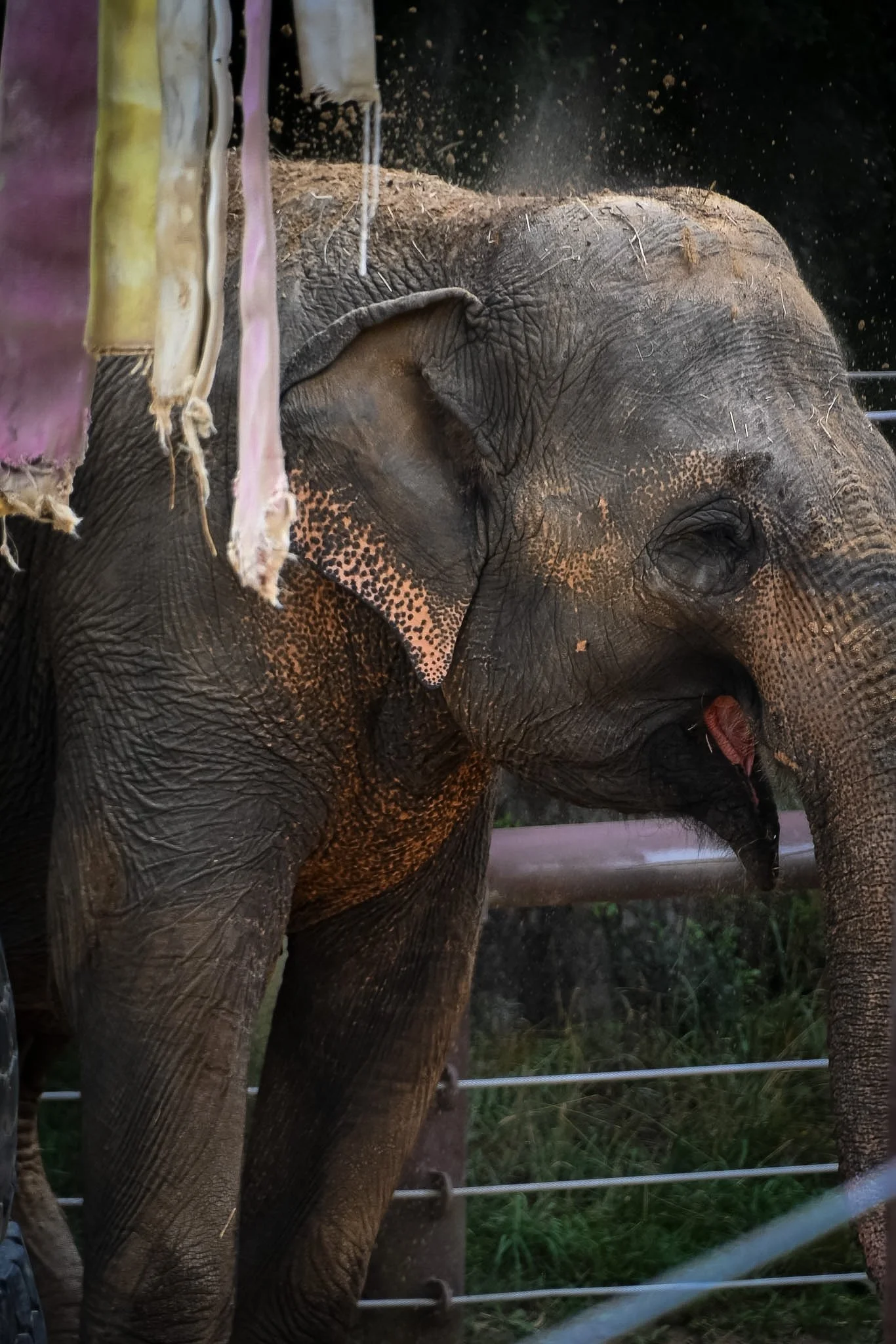
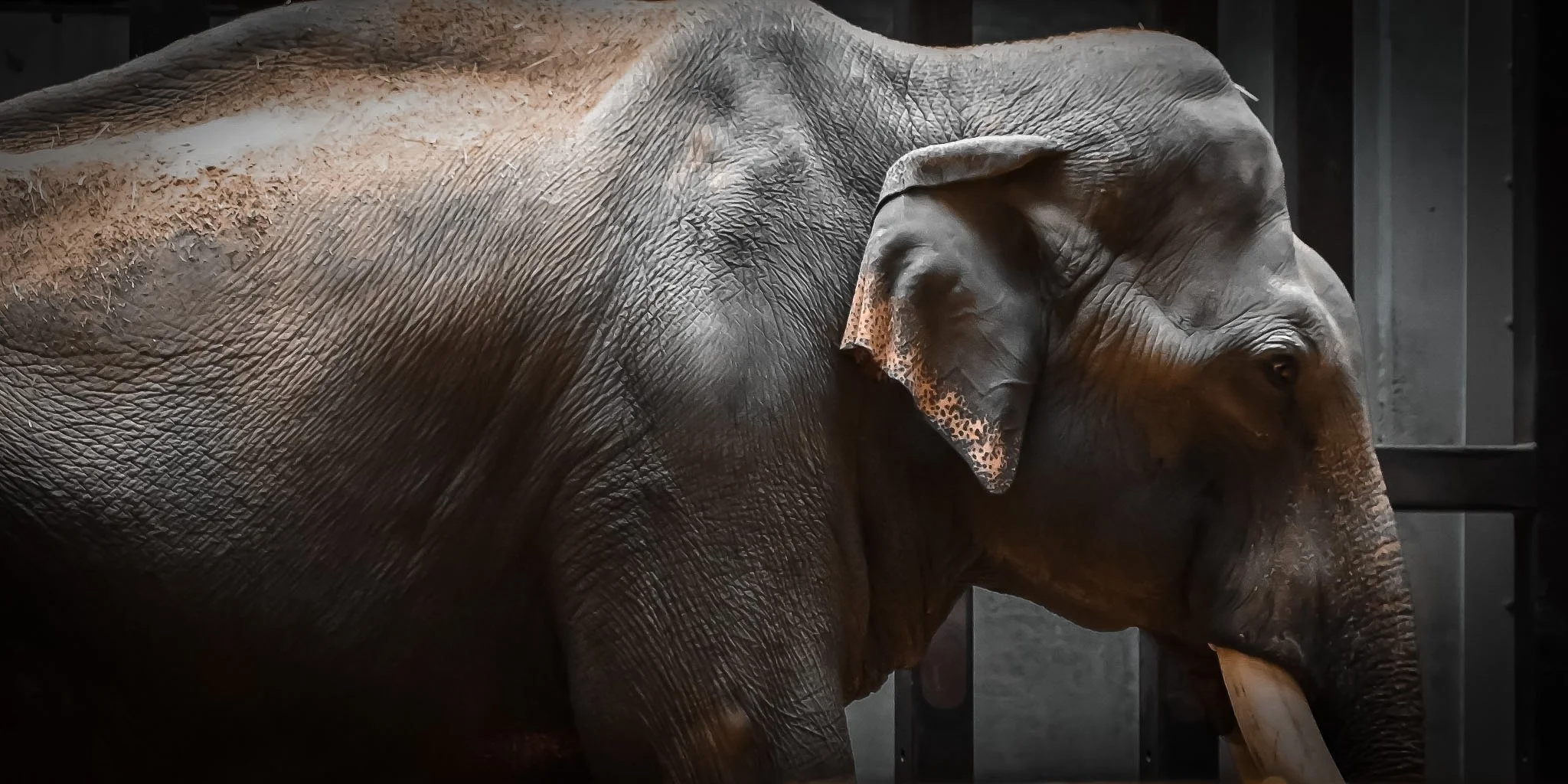
Elephant ears can act as cooling devices. Containing a large supply of blood vessels in their ears, elephants flap them on hot days, cooling down the blood in the vessels and reducing overall body temperature.
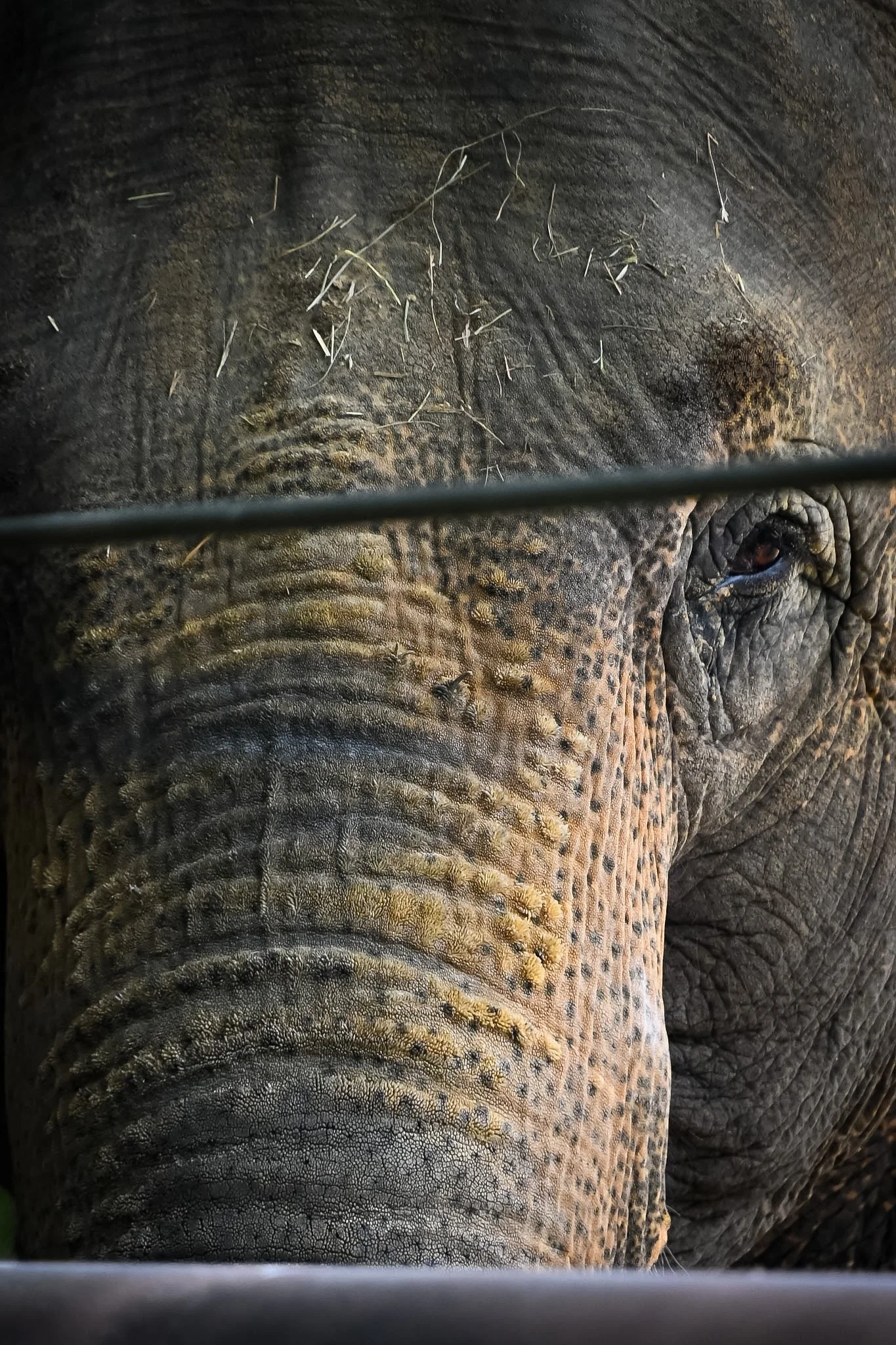
The elephant trunk has about 150,000 muscle units and tendons, providing the elephant with precision, strength, and movement in its trunk.
An elephant’s age can be identified by examining the molar sequence and teeth wear.